 By
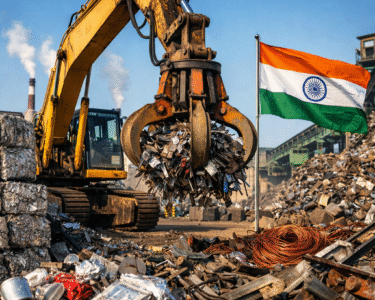
By The global metal recycling industry is facing one of its biggest operational threats in recent years as escalating geopolitical conflicts begin choking global logistics networks, disrupting the steady movement of scrap that keeps the circular economy alive.
For an industry built on speed and constant circulation, logistics remains its biggest lifeline. Unlike primary metal producers that can rely on long-term mining contracts and stored raw materials, recyclers depend on the daily movement of scrap cargo through ports, shipping lines, trucking networks, and processing yards.
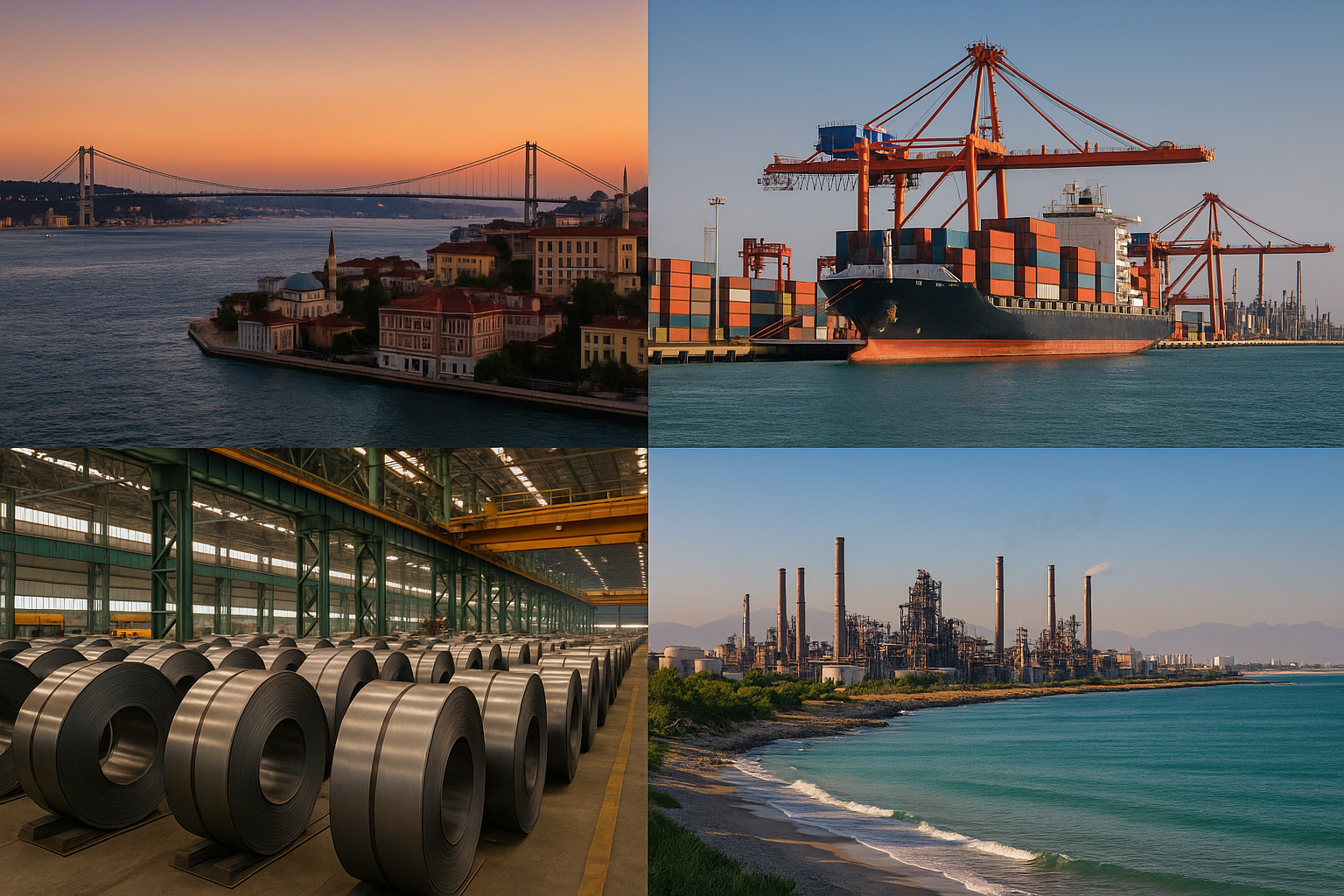
From conflict-driven uncertainty the global scrap flows are becoming increasingly unstable. The conflict driven trade routes handle significant volumes of ferrous and non-ferrous scrap moving between major recycling hubs across Asia, Europe, the Middle East, and North America.
As vessel operators reroute cargo, delay shipments, or avoid high-risk regions altogether, recyclers are beginning to feel the pressure. Scrap yards are witnessing rising inventory pile-ups as outbound shipments slow down, while manufacturers that rely on recycled metals are facing growing uncertainty over raw material availability.
The secondary aluminum industry is among the most vulnerable, as many producers rely heavily on imported scrap. Delayed shipments are already forcing several processors to operate below capacity while paying significantly higher freight charges. Copper recyclers and steel scrap processors are also facing tighter supply conditions as international scrap flows become increasingly unpredictable.
The impact extends far beyond recyclers. Automotive manufacturers, construction companies, appliance makers, and packaging producers that depend on recycled metals may soon face higher raw material costs if supply disruptions continue.
Smaller recycling firms are expected to face the greatest financial pressure as delayed shipments lock up working capital and increase storage costs. Larger global players with diversified supply chains may be better positioned to withstand prolonged disruptions.
Industry analysts warn that if geopolitical conflicts continue escalating and logistics networks remain unstable, the market could witness a global “scrap freeze,” where material movement slows dramatically, recycling plants cut production, and metal prices become increasingly volatile.
The ongoing crisis is also exposing a structural weakness within the recycling sector. While recycled metals are often promoted as the future of sustainable manufacturing, the industry remains heavily dependent on global logistics systems that are increasingly vulnerable to geopolitical instability.
As uncertainty grows, many countries may accelerate investments in domestic scrap collection, localized recycling infrastructure, and regional processing hubs to reduce dependence on volatile international trade routes.